

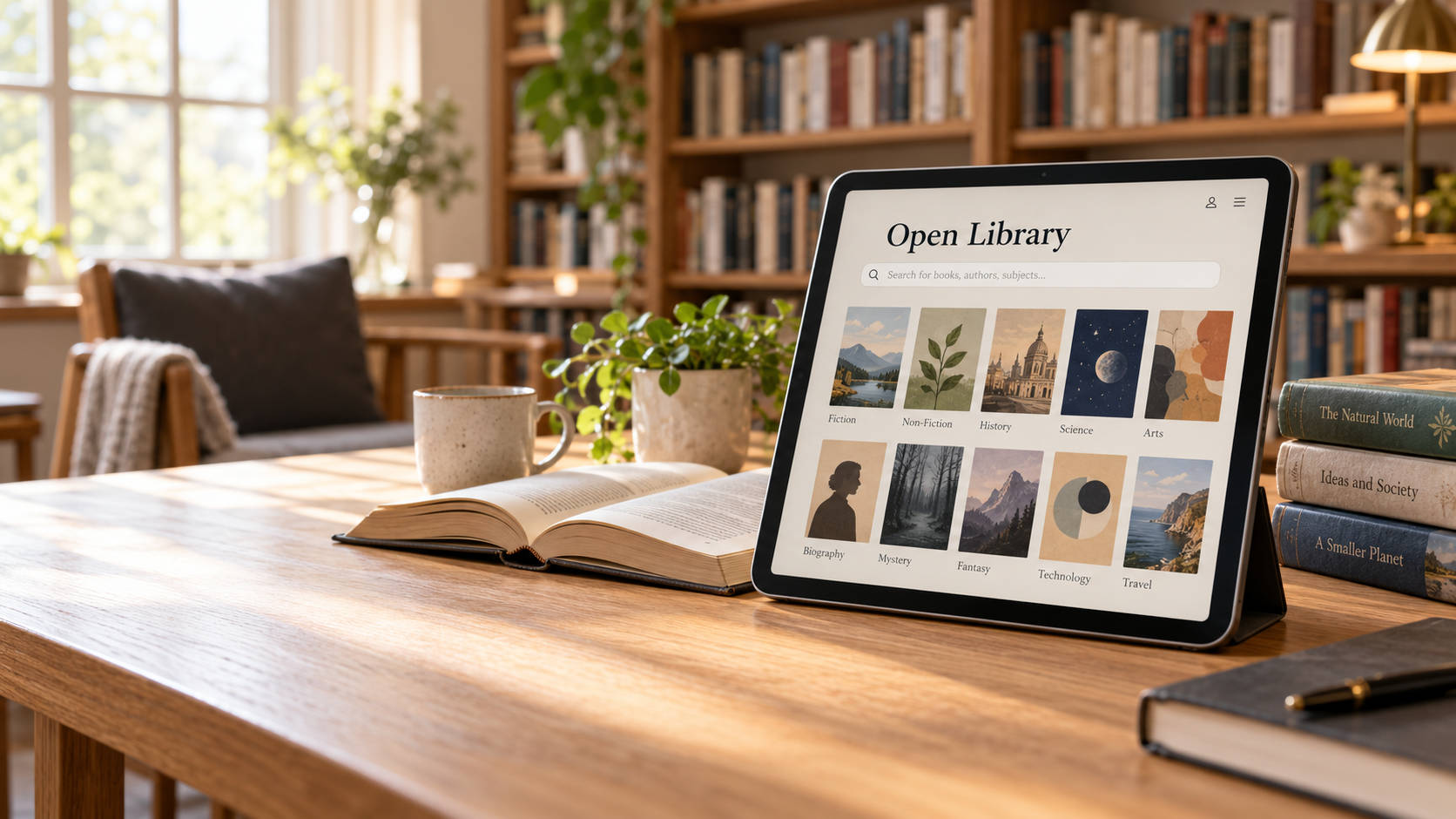
Finding a book online is easy. Knowing whether you can legitimately read or download it can be more complicated.
Open Library helps readers discover books, explore different editions and access digital copies where available. It is a valuable resource, but its role—and the copyright questions surrounding some of its lending activities—deserves a clear explanation.
What is Open Library?
Open Library is a project of the Internet Archive, a nonprofit organisation. Its ambition is to create a web page for every book ever published.
At its heart, it is a collaborative catalogue. Users can contribute information about books and authors, explore editions and organise reading lists. Some records connect to digitised books hosted by the Internet Archive; others help readers locate a physical copy through another library.
A book appearing in the catalogue does not necessarily mean its full text is available. A listing may simply describe the publication.
How does it work?
Start by searching for a title, author or subject. Open the book’s record and check the available editions and reading options.
Depending on the book, you may find:
- Read: access to a digital edition.
- Borrow: temporary access requiring an account.
- Preview or limited access: only part of the book is available.
- Catalogue information: details about the book without a readable digital copy.
Open Library distinguishes freely readable books from editions available through borrowing. Availability varies between titles and editions.
For borrowing, create a free account and follow the options displayed on the book’s page. The service describes one-hour loans and, for some titles, longer loans of up to 14 days. A waiting list may apply to longer loans when no copy is available. Borrowing gives temporary access rather than ownership of a permanent ebook.
Which reading formats are available?
Open Library connects readers to several formats, although not every book offers every option.
| Format or reading option | What it offers |
|---|---|
| Browser BookReader | Read online without installing a separate reading application. |
| Preserves page layout, useful for scanned books and illustrated publications. | |
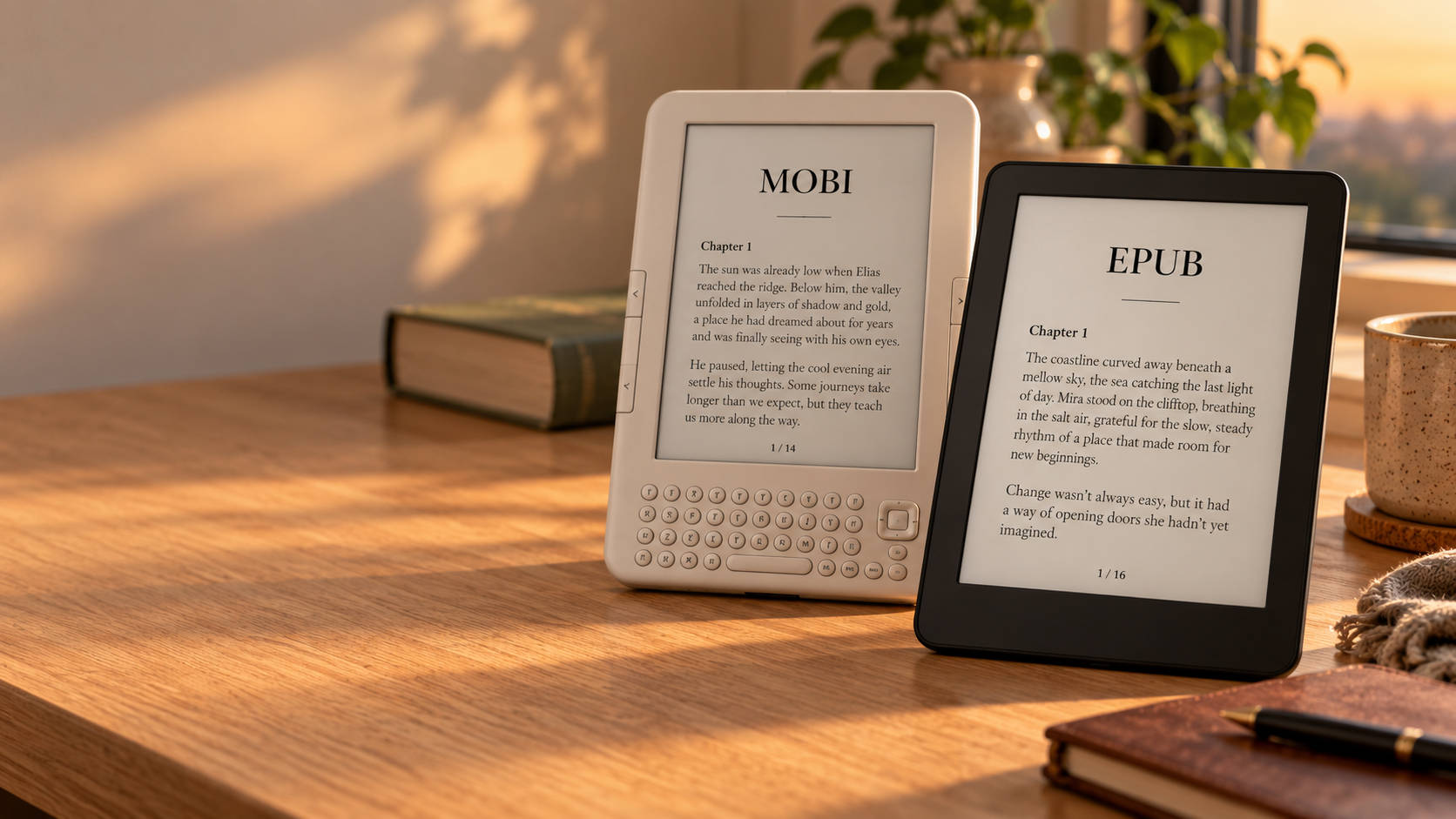
| EPUB | Usually allows text to adapt to the screen and reading settings. |
| DAISY | An accessible-book format offered for eligible readers with print disabilities. |
| Other downloads | Some unrestricted editions also offer plain text or DjVu files. |
Open Library lists several downloadable formats for its public-domain collection, while borrowing documentation identifies BookReader, PDF, EPUB and accessible DAISY editions. Check the individual book for its actual choices.
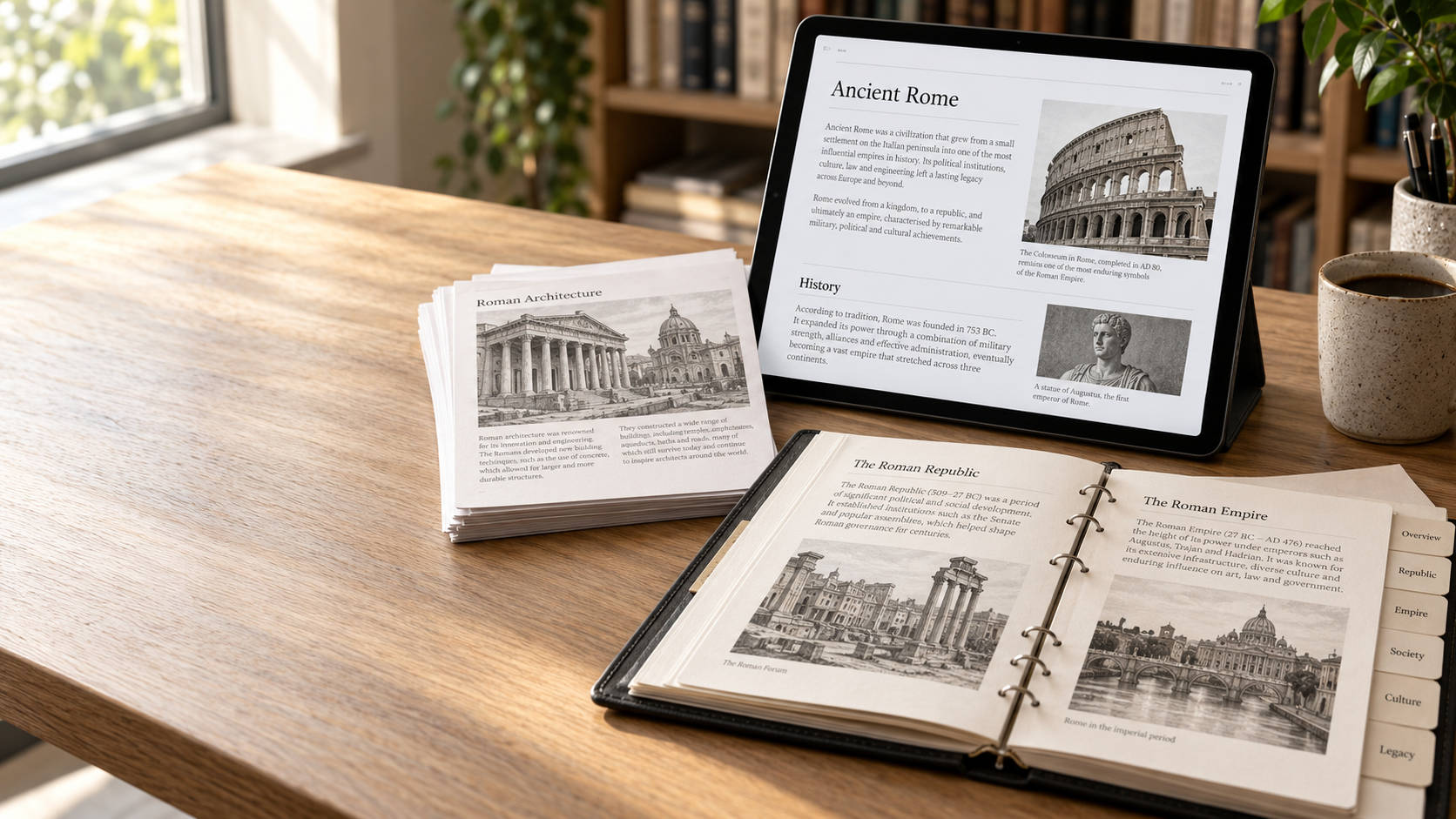
Scanned books can also vary in quality. A page-image PDF may preserve the original beautifully, while text extracted from an old scan can contain recognition errors.
Can borrowed books be opened in any ebook app?
Not necessarily. Supporting EPUB or PDF is different from supporting a protected library loan.
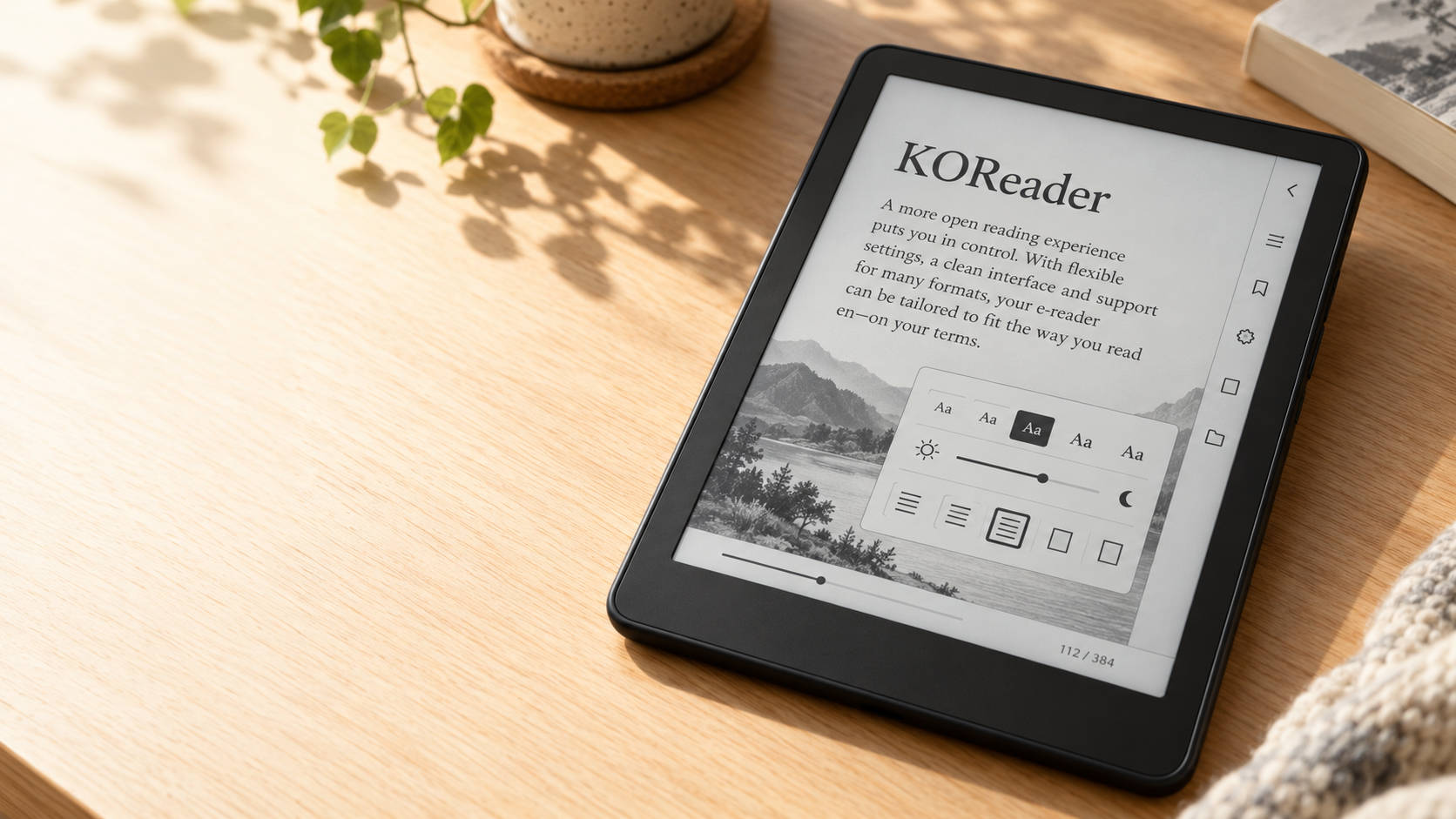
The Internet Archive’s current help documentation describes encrypted downloads for eligible longer loans using LCP digital rights management. It identifies compatible applications such as Thorium for desktop and Cantook for mobile devices. One-hour loans are accessed through the online BookReader.
Always follow the instructions attached to the particular loan. An app that opens an ordinary EPUB may be unable to open its protected counterpart.
Is Open Library legal?
Open Library is a real, established project, and browsing its catalogue is different from downloading or distributing a copyrighted book. However, describing everything it has offered as unquestionably authorised would be inaccurate.
Its parent organisation faced a major US copyright case, Hachette v. Internet Archive, over scanning and lending copyrighted books without publishers’ permission.
In September 2024, a US appeals court upheld the ruling against the Internet Archive, rejecting its fair-use defence for the lending practices at issue. The dispute extended beyond the temporary removal of borrowing limits during the pandemic.
In December 2024, the Internet Archive announced that it would not seek Supreme Court review and would continue honouring an agreement to remove books from lending at participating publishers’ requests.
The practical distinction is between public-domain material, copies made available with permission, and copyrighted material whose distribution lacks authorisation. A website’s reputation—or a visible download button—does not by itself settle a particular book’s copyright status. Copyright rules and public-domain status can also differ between countries.
Why choosing authorised sources matters
Reading legally does not have to mean buying every book. Public-domain collections, openly licensed publications and authorised library loans can all provide free access.
Choosing these routes helps sustain a reading ecosystem in which access, preservation and authors’ rights can coexist. Paid editions and licensed services can support the people who write, translate, illustrate and publish books. Public-domain projects keep older works available to new generations.
The reading tools themselves are not the deciding factor. EPUB, PDF and ebook applications can all be used with legitimately obtained books. What matters is where a copy came from and what permission accompanies it.
Before downloading, check the edition’s rights information, observe borrowing conditions and avoid redistributing protected copies. If access is unavailable, look for an authorised edition through a library, publisher or bookseller.
Open Library is useful both as a discovery tool and as a gateway to reading. Understanding the difference between a catalogue entry, a freely downloadable book and a temporary loan makes it much easier to use responsibly.

Leave a Reply